HA
HAHawaiian Airlines
…2025 Departures
…Load Factor
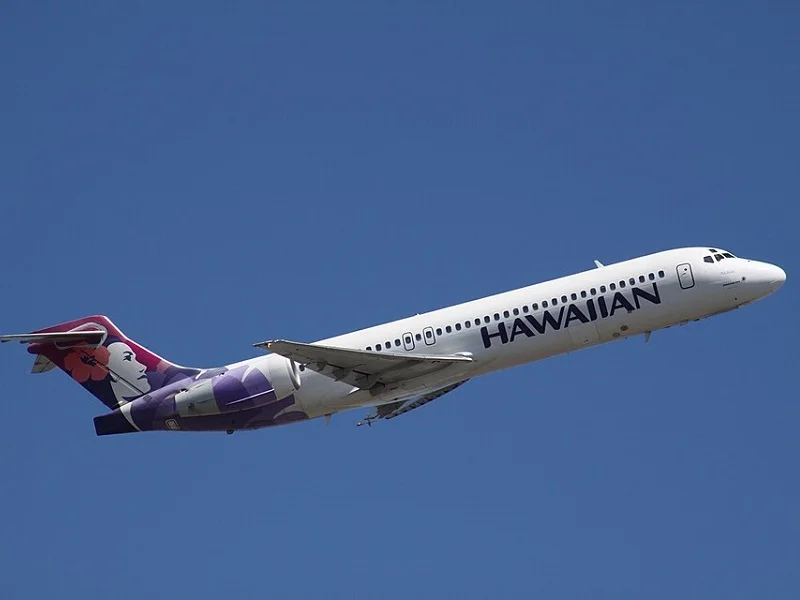
HAHawaiian Airlines is Hawaii's home carrier and the dominant airline for both inter-island travel and mainland-to-Hawaii service. Now part of Alaska Air Group following Alaska's acquisition in September 2024, Hawaiian operates under its own brand while integration with Alaska continues. The airline's network includes inter-island flights across the Hawaiian island chain, mainland routes from the West Coast and select East Coast cities, and transpacific service to Japan, South Korea, Australia, and New Zealand.
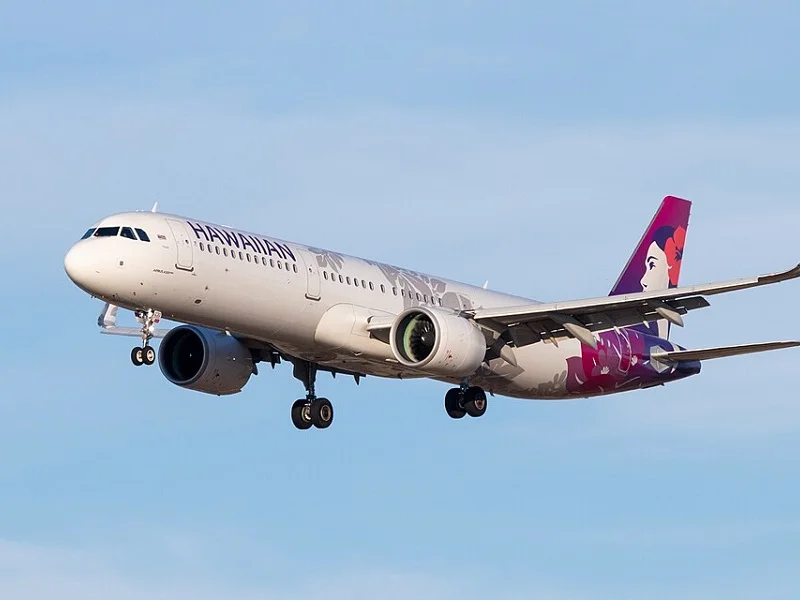
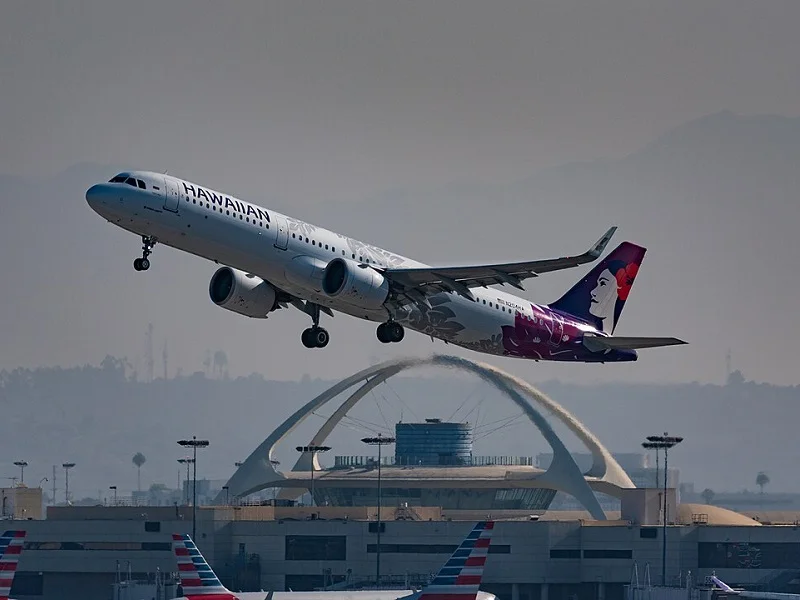
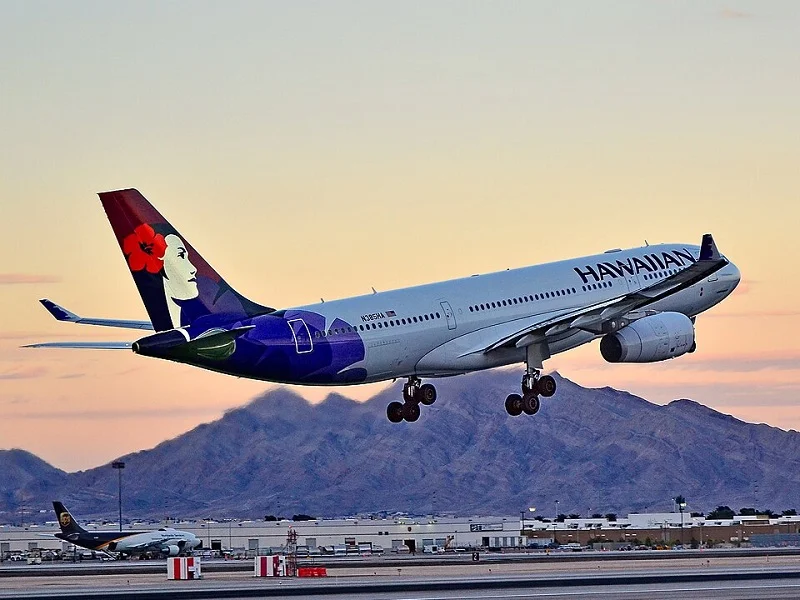
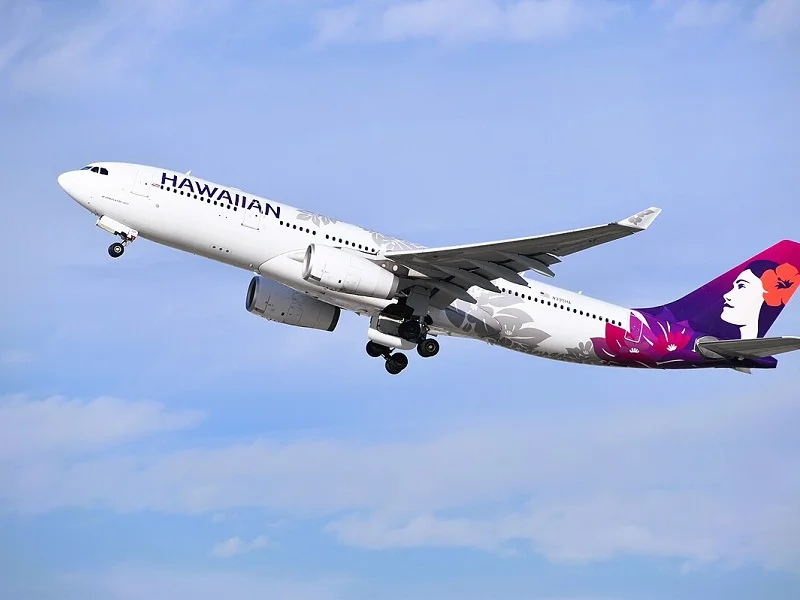
Hawaiian operates a mix of narrowbody Airbus A321neos for inter-island and shorter mainland routes, and widebody Airbus A330s for longer mainland and international transpacific routes. The acquisition by Alaska brings access to a broader Oneworld alliance network and the potential for expanded codeshare connectivity, though the integration process has created uncertainty about which Hawaiian brand elements and routes will survive long-term.
Hawaiian is the logical choice for anyone flying within Hawaii or traveling to the islands from the mainland. For inter-island service, Hawaiian provides the most comprehensive schedule of any carrier. For mainland-to-Hawaii flights, Hawaiian competes with Alaska, Southwest, and United, and comparing fares across all four is worthwhile since prices vary significantly depending on origin city and time of year.
For transpacific travel to Japan, South Korea, Australia, or New Zealand, Hawaiian is one of the few U.S. carriers with meaningful nonstop service from Honolulu. Their A330 cabin on these routes is comfortable and the Hawaiian hospitality product is genuine. If you are traveling to Asia or Oceania via Hawaii, Hawaiian is a route worth exploring before defaulting to a legacy carrier.
Hawaiian Airlines' network centers on Honolulu (HNL), with inter-island service linking Oahu, Maui, Kauai, and the Big Island alongside mainland routes from West Coast gateways including Los Angeles, San Francisco, Seattle, and Portland. Hawaiian also serves markets as far east as New York and Boston, though the West Coast remains the core of its mainland operation.
4 hubs
The airports where Hawaiian Airlines concentrates the most flights and connections, typically where it bases aircraft and crew.
Find direct flights from any U.S. airport — no booking pressure, no tracking.
Per-aircraft performance, 2025
How efficiently Hawaiian Airlines uses each aircraft type it flies: load factor, seats per flight, and passengers per departure, broken down by airplane model.
Highest-volume city pairs by seat volume
The busiest routes Hawaiian Airlines flies by total seats, split into domestic and international. Ranked by volume, not necessarily by profitability.
Hawaiian's BTS data reflects two very different kinds of flying: short, high-frequency inter-island hops and long-haul transpacific segments. The inter-island routes show extremely high departures with smaller aircraft: Honolulu to Maui operates like a shuttle service. The transpacific A330 routes show fewer departures but significantly higher passenger and seat counts per flight.
Load factors on the Hawaii mainland routes are driven by leisure demand and tend to spike around holidays and summer travel season. The transpacific routes to Japan and South Korea serve both leisure and ethnic travel markets, which provide more year-round consistency. The Alaska integration will eventually show up in the data as coordination creates new passenger flows through Honolulu.
Understanding route metrics for Hawaiian Airlines
Load factor is the percentage of available seats filled with paying passengers. A route running at 85% or above is considered healthy and signals strong demand relative to capacity. When Hawaiian Airlines routes dip below 75%, it often means the airline is over-scheduling relative to demand, which can lead to fare cuts, frequency reductions, or eventual suspension. Routes where the load factor has declined more than 5 points versus the historical average are flagged in our Stability scoring, since sustained low fill rates are one of the strongest early indicators of a route being pulled.
Route Stability reflects how consistently a route has been operated over time and how healthy it looks today. Lower scores, flagging a route as Stability Watch or At Risk, are driven by a combination of factors: declining year-over-year passenger numbers, load factors below 75% (meaning seats are going empty), frequency cuts in 2024–2025 relative to 2023, and a history of suspension during COVID with a slow recovery. A route that Hawaiian Airlines skipped during 2020–2021 and never fully restored will carry a resilience penalty that drags the overall stability score down.
Route Dominance looks at Hawaiian Airlines's share of that route specifically. It is driven purely by Hawaiian Airlines's seat share on each route: Sole Operator means Hawaiian Airlines is the only nonstop carrier; Monopoly means it holds over 70% of seats; Dominant means 40–70%; below that falls into Competitive or Minor territory. High dominance on a busy route signals strong pricing power and low substitution risk for travelers.
Airport Commitment scores how deeply invested Hawaiian Airlines is at each airport it serves, specifically whether it's growing, holding steady, or pulling back. A Dominant or Committed label means the airline has meaningful seat share, stable or growing capacity, and strong route completion rates at that airport. A Marginal or Retreating label means thin seat share, capacity cuts since 2022, or a pattern of cancellations. Hub airports like Hawaiian Airlines's primary bases will always score highest; airports where it operates only one or two seasonal routes will score lowest.